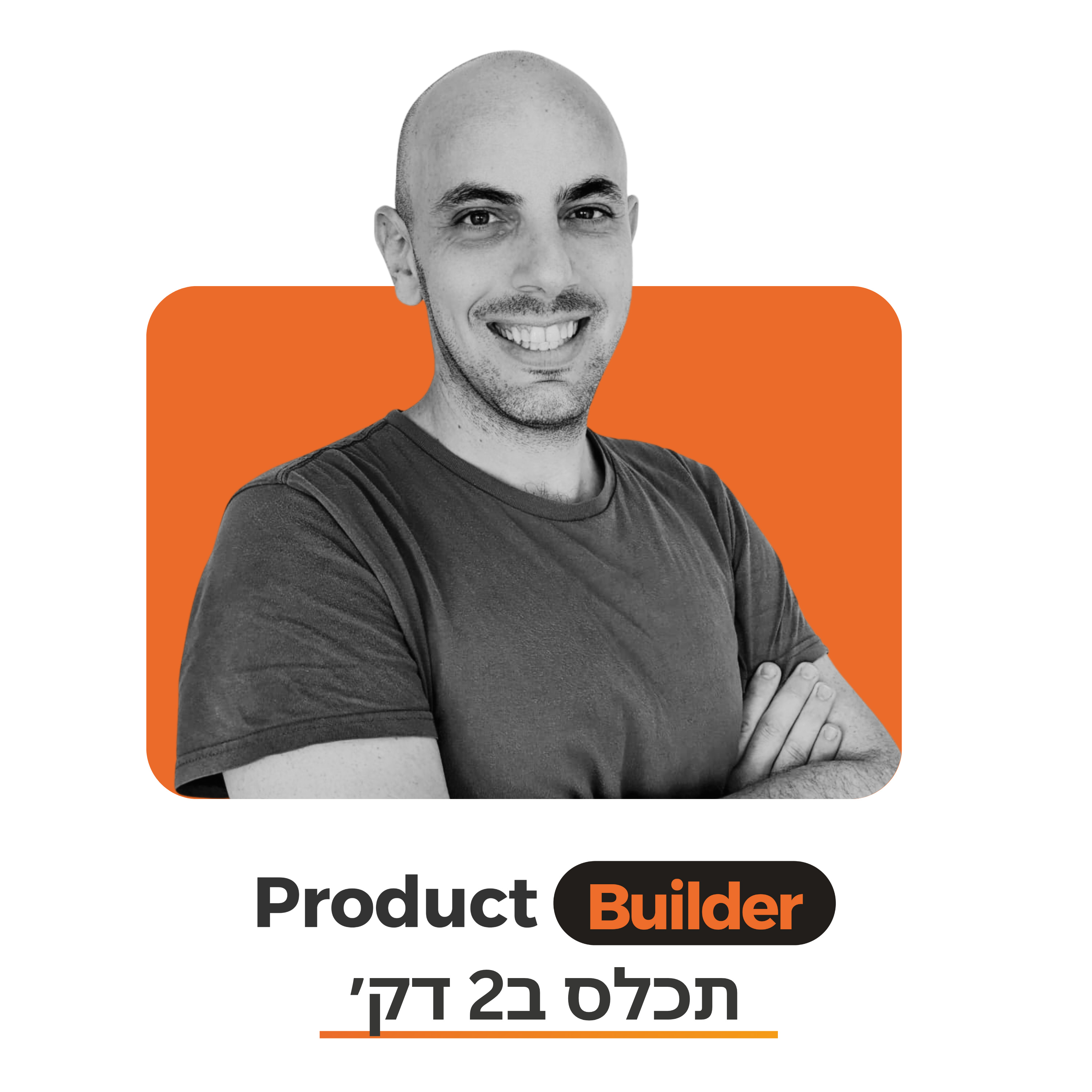
Shuki Aharonovich | Tachles: What's the Difference Between a Feature Factory and an Empowered PM?
Host: Eyal David · Guest: Shuki Aharonovich · About the host
According to Shuki Aharonovich (Augury), the difference between a feature factory and an empowered PM comes down to who decides what gets built and why. In a feature factory the product manager is a "work contractor" who gets cell 13 in the projects spreadsheet, implements it and moves on to row 14. An empowered PM gets up in the morning, talks to customers, identifies problems, and builds the roadmap and solutions together with the team, with more initiative, more ownership and more closeness to the customer and the problem, as Marty Cagan describes.
In this episode
- In a feature factory the PM is a work contractor: a committee sets the roadmap, the PM gets cell 13 in the spreadsheet, implements it, never looks back and moves on to row 14.
- The cost of working this way is that you don't always understand why you're building what you're building, so it's hard to get the team to follow you.
- An empowered PM gets up in the morning, talks to customers, identifies problems, and builds the roadmap and solutions with the team: more initiative, more ownership, more closeness to the customer and the problem.
- Instead of endless clashes between the R&D guild and the product guild, the goal is a feeling that everyone is here to build together.
- Marty Cagan's book gave Shuki the vocabulary to describe how he wanted to work: to have an impact, to initiate and to solve real problems of real customers.
Listen to this episode
Episode Description
A short clip from the full conversation with Shuki Aharonovich, Group Product Manager at Augury. Shuki describes the frustration of product management as a "work contractor" executing rows in a projects spreadsheet without understanding why, and the moment, on a walk in Yarkon Park, when Marty Cagan's book gave him the vocabulary for how he wanted to work: initiating, solving real problems of real customers, and rallying a team that's all here to build.

Chapters
Full transcript with speakers and timestamps
Selected quotes
“product management was, was kind of a work contractor.”
“And you show up as a product manager and you get cell number 13 in the projects Excel, and you go and you implement it and you build it, and then you finish it and you never look back at it, and you go and move on to row number 14 in the projects Excel.”
“No, you're here to build, I'm here to build, follow me. All of us together.”
Questions & answers
What's the difference between a feature factory and an empowered PM?
In a feature factory a committee decides what gets done, and the product manager takes a project from the spreadsheet, implements it and moves on to the next one. An empowered PM talks to customers, identifies problems, and builds the roadmap and solutions together with the team, with more initiative and more ownership.
Why is product management as a "work contractor" so frustrating?
Because you don't always understand why you're building what you're building, it's hard to get the team behind you, and the project may not be needed at all, or may not be the right way to do it.
What made Shuki change the way he works?
Gil Hirsch's podcast pushed him to start researching, and Marty Cagan's book, which he listened to on a walk in Yarkon Park, gave him the vocabulary to describe how he wanted to work.
People & resources mentioned
People
- Marty Cagan
- Gil Hirsch
Companies & orgs
- Augury
- Pioneer
Books & media
- Empowered — Marty Cagan
Related Episodes

Why I Talk Less About Product Now | Coffee with Eyal
00:06:55 · October 7, 2026
"Coffee with Eyal" is a short, informal series in which Eyal David opens the mic over a cup of coffee and shares insights, things he is building and w...
"Fast Is Slow, and Slow Is Fast": Building Right in the AI Era | Amir Frankel (Zero Networks)
00:54:39 · June 7, 2026
Amir Frankel is co-founder and CTO of Zero Networks, a defensive cybersecurity company building micro-segmentation: closing the corporate network by d...
How to Build AI at the Edge of the Device — Ori Katz, Hailo
00:40:49 · March 5, 2026
Ori Katz, who leads the AI SoC domain at Hailo, tells the story of how an Israeli chip company became a serious player in AI at the edge — smart camer...
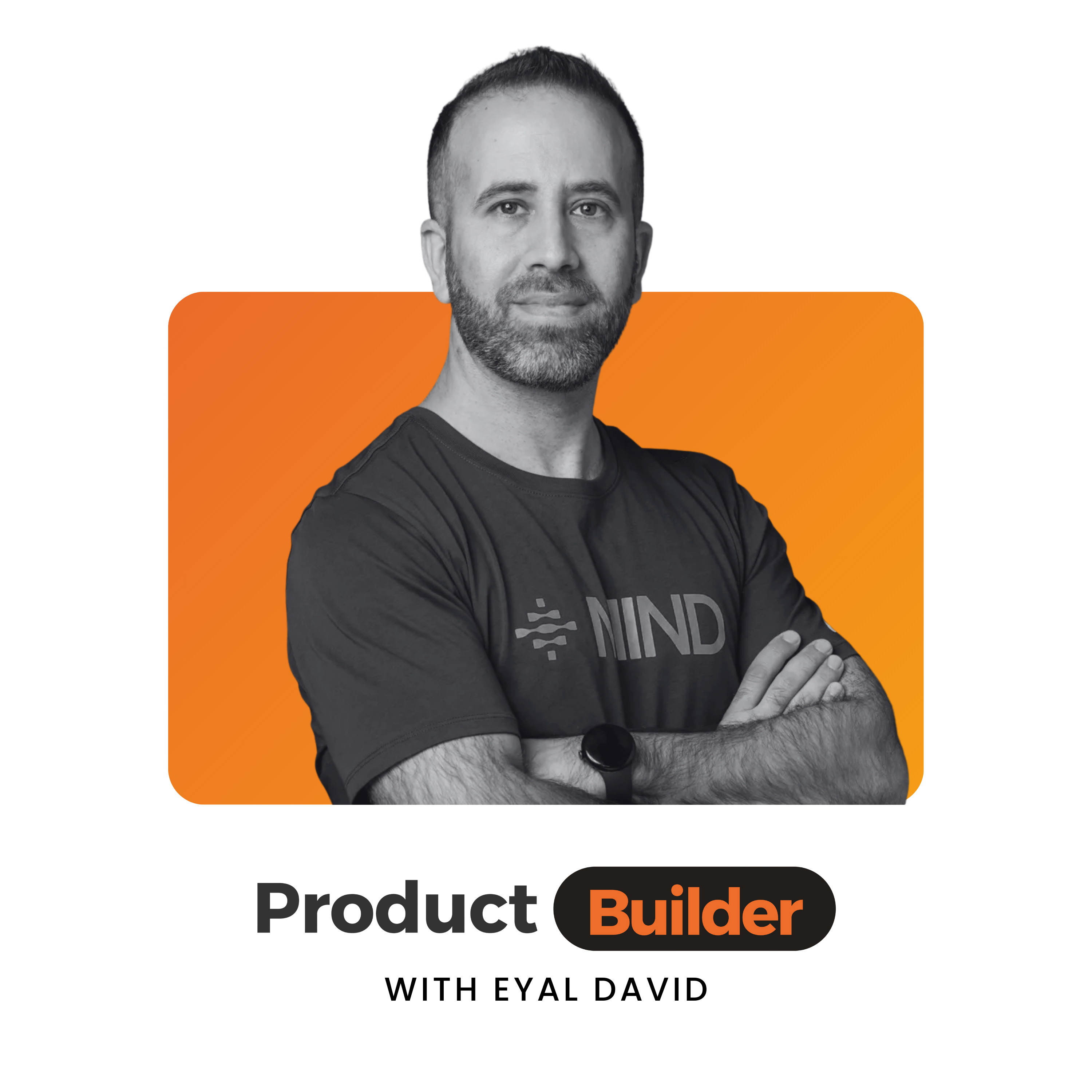
Tom Mayblum | MIND | When Is a Customer Conversation Worth More Than Data?
00:33:39 · February 9, 2026
Tom Mayblum, VP Product at MIND, shares how he built a product organization from scratch at a cyber startup coming out of stealth, and why the challen...