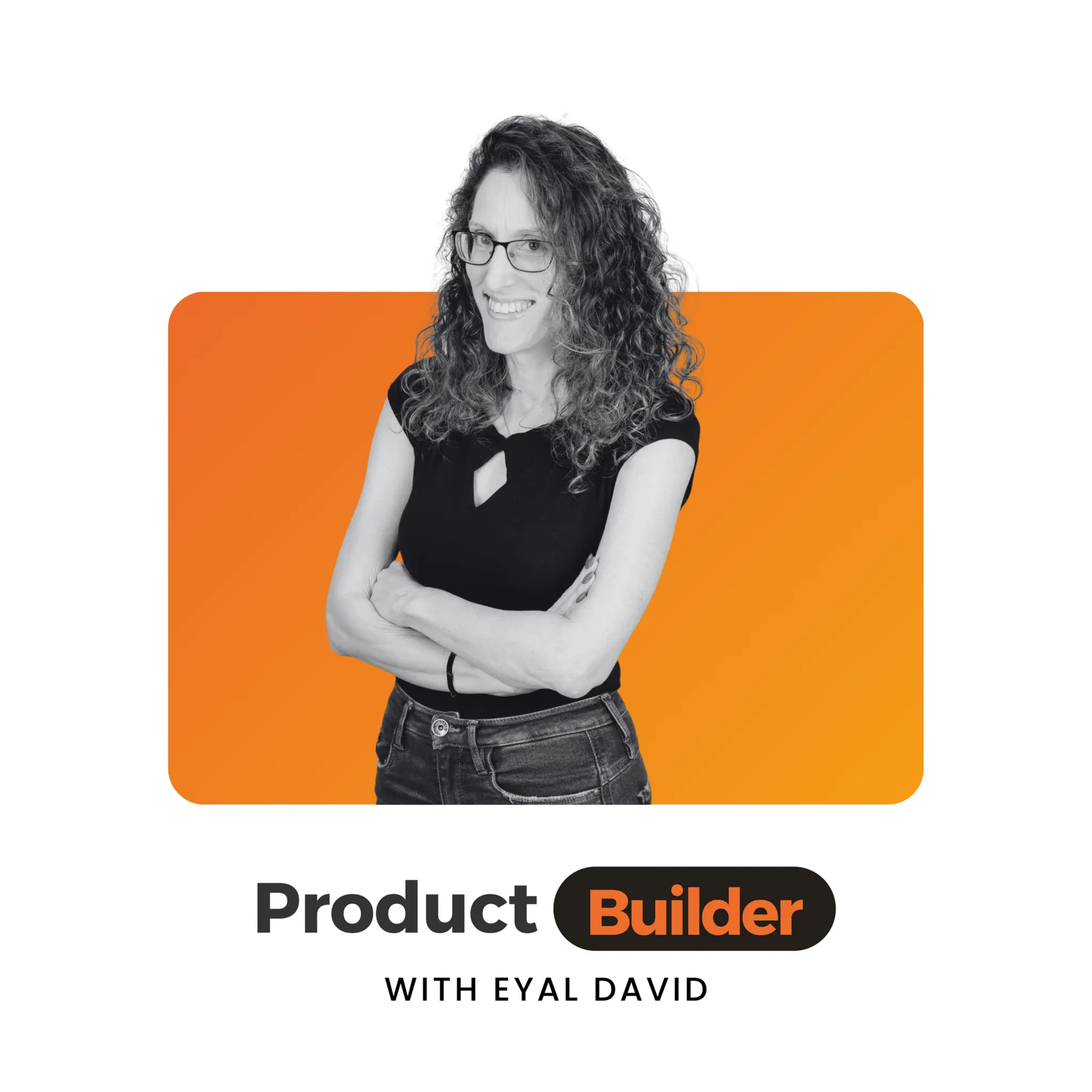
An Interview Is a Micro-Cosmos of Product Management — Tal Keiler, Evinced
Host: Eyal David · Guest: Tal Kailler · About the host
A job interview is a micro-cosmos of product management, according to Tal Kailler, web products lead at Evinced — every question exists to lower risk about the candidate. The key is a focused story with a beginning, middle and end: start from the value, decide and justify without apologizing, and highlight your wins.
In this episode
- An interview is a micro-cosmos of product management: like a PM who leads without authority, the candidate has to rally people, prioritize, and deliver a short, focused message. Every question in the interview is there to reduce risk.
- Tell the story right — beginning, middle and end: what the problem was, what you did, and why. Start from the value and the 'why,' not from a list of bugs; practice a short, medium and long version until you can tell them off the cuff.
- A resume is a product with 30 seconds: explain what the company does, highlight achievements and business metrics, include relevant buzzwords (e.g. AI) to get past the filters, and keep the document aesthetic and short.
- Before solving a product problem — understand the metric you want to optimize and the business model, and only then derive a solution and UX. It's allowed, and even desirable, to ask questions in the middle of the interview.
- Make a decision and justify it: present pros and cons without apologizing and choose — it's better to decide and be wrong than to leave question marks.
- Women sometimes tend to apologize for their career or attribute it to 'luck'; a call to tell your story with confidence and take credit for your achievements.
Listen to this episode
Episode Description
Tal Keiler, who manages the web products group at Evinced, joins Product Builder for a conversation about job interviews from the interviewer's perspective. The central claim: an interview is a micro-cosmos of product management, and every question is designed to reduce risk about the candidate. The thread running through the whole episode is the ability to tell a focused story — in your resume, in the interview, and on stage at Figma's Config conference.

Full transcript with speakers and timestamps
Selected quotes
“A product person needs to know how to lead. It's leading without authority; they need to sweep people along with them.”
“I once had a boss who told me, I prefer that you make a decision and be wrong, than that you leave question marks.”
“Know how to tell the story. Start with the problem you solved, how you solved it, why you solved it. Beginning, middle and end.”
Questions & answers
What's the most important skill in a product manager, in Tal's view?
The ability to lead without authority and to rally people — to be a subject matter expert, master the data and the product, solve problems, prioritize, and communicate. Prioritization and communication are among the most critical things.
How do you write a good resume?
Treat it as a product that has 30 seconds: explain what the company does (not just its name), highlight achievements and metrics, include relevant buzzwords to pass the automated filters and HR, and keep the document short, focused and aesthetic.
How should you prepare for an interview at Evinced?
Check the website and products, watch the video, understand the market and the competition (you can use ChatGPT for a summary), and come with ready answers to basic questions like strengths/weaknesses, a failure, or a disagreement. An in-person interview at the office is preferable, to feel the vibe.
What does Tal look for when she asks about a failure or an embarrassment?
Not the embarrassment itself, but the absence of ego — that the candidate admits a mistake and takes responsibility, and doesn't shift the blame onto someone else. That signals an accountable person.
What was the message in the talk at Figma's Config conference?
That accessibility isn't what you thought — color contrast and large text aren't enough. Using the mountain metaphor: today in the design world for people with disabilities everyone is still at 'does it work,' and the call was to climb the mountain of 'how does it work' — a good user experience for people with disabilities too, with a tool that delivers the information inside the workflow.
Related Episodes
Alex Rif | How Do You Create Real Social Change?
01:02:24 · October 11, 2026
Alex Rif immigrated from Ukraine as a child and spent 20 years trying to be "just Israeli": Magen David Adom, officer training, the Civil Service Cade...
Why I Talk Less About Product Now | Coffee with Eyal
00:06:55 · October 7, 2026
"Coffee with Eyal" is a short, informal series in which Eyal David opens the mic over a cup of coffee and shares insights, things he is building and w...
What Does a Venture Capital Investor Really Look For? | Yael Schiff (Bessemer Venture Partners)
00:58:30 · October 4, 2026
Yael Schiff is an investor at Bessemer Venture Partners, mostly at Seed and Series A, in AI, infrastructure and cyber companies. Before that she spent...
No More Moats: How Harmony Reached 50 Customers Without a Single Salesperson | Ran Ribenzaft (Harmony)
01:00:56 · September 24, 2026
Ran Ribenzaft, Co-Founder and CTO of Harmony (and formerly founder and CTO of Epsagon, sold to Cisco for $500M), is an unusual CTO: 90% of his time go...