
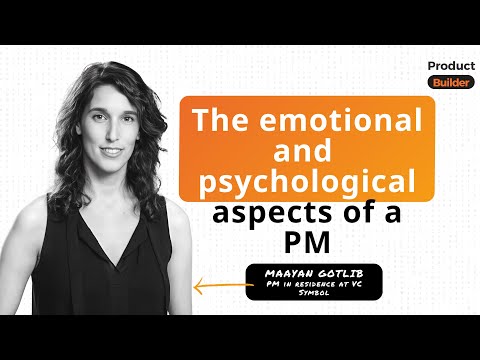
What Goes On in a Product Manager's Mind: Loneliness, Empathy & Impostor Syndrome | Maayan Gotlib (Symbol)
Host: Eyal David · Guest: Maayan Gotlib · About the host
Product management's most neglected side is the emotional one, says Maayan Gotlib, PM in Residence at VC Symbol. Empathy isn't niceness but a PM's strongest tool: know people before a meeting, show vulnerability, and an objector can become an ally. The role's loneliness and impostor syndrome are real — peer, mentor or group support is a necessity, not a luxury.
In this episode
- Leading without authority starts with identifying your own source of leadership — sometimes wisdom, sometimes humor, sometimes charm — and deploying it to move and rally people you don't manage.
- Empathy is a core PM skill, not niceness: sit with people before the meeting, understand where each message meets them emotionally, and show vulnerability — because your openness draws openness from the other side. That's how a developer who objected became Maayan's ambassador inside development.
- Loneliness is built into the role — development, marketing and founders each have one another, the product manager doesn't — and it amplifies impostor syndrome. So you must make sure you have support: a peer on the team, a mentor, or a group of peers going through the same thing.
- Saying no is an ability that starts with self-awareness and acceptance: give the frustration a moment, don't get sucked into a 'war,' stay in the leading position, then come back to the conversation retelling the strategy story — and if possible, give something small in return.
- When half a day a week doesn't work with a fast-moving startup, shifting to 'micro-services' — a focused entry into a single issue (a product-market-fit workshop, a spec review, a PM hire) — delivers more value in less time. And for managing stress: meditation, breathing, small wins, and humor.
Listen to this episode
Episode Description
Maayan Gotlib — Product Mentor and PM in Residence at VC Symbol, after ten years in Mamram, building two products from scratch at Leverate, and leading the Israeli product team of AutoCAD Mobile at Autodesk — on the emotional side of product management. Instead of roadmaps and prioritization, we talked about what goes on in a product manager's mind and heart: the loneliness no one prepares you for, the impostor syndrome that intensifies exactly when you lead a strategy, empathy as a work tool (not niceness), and the courage to say no without burning the relationship. Maayan also shares the Zero to One Product Club she runs at the fund — intimate groups for first product managers in startups.
Chapters
- 0:44 · What the episode is about: the psychology of product management
- 1:15 · The path: Mamram, Leverate & Autodesk
- 5:05 · A sabbatical year, workaholism & returning part-time
- 10:25 · Zero to One Product Club: groups for first product managers
- 14:25 · The most important skill of a product manager
- 18:53 · Leading without authority & empathy as a work tool
- 27:05 · Loneliness & impostor syndrome
- 31:40 · The courage to say no
- 35:24 · Managing stress: meditation, small wins & humor
Full transcript with speakers and timestamps
Selected quotes
“the moment you show vulnerability and the moment you come with openness, it draws openness and vulnerability from the other side”
“This matter of loneliness is very hard, and my feeling is that impostor syndrome is something that intensifies together with loneliness.”
“And I'm really alone, and everyone expects things of me one way or another, and I have no one, I have no one who really understands me all the way.”
Questions & answers
What is the Zero to One Product Club that Maayan runs at Symbol?
A group that started with first product managers in startups and grew into a community. Maayan realized it was hard to add value to portfolio startups in half a day a week, talked to many product people, and identified a recurring pain point: the role is lonely, full of challenges with founders, without data and without processes. The group — around 10-12 people who meet once a month for a two-and-a-half-hour session — is something between a learning group and a support group, where each time two people bring a use case from their day-to-day; Maayan mainly does facilitation.
Why is product management such a lonely role?
The product manager works with everyone — development, marketing, founders — and each of those groups has one another, while the PM is alone. Every party in the organization also thinks something different about what the PM does. In a startup it's extreme: the product manager is in leadership but isn't the founder. The loneliness intensifies impostor syndrome, because the PM leads a strategy with confidence while 'and what if not?' plays in their head, with no one to talk to about it.
How does empathy help a product manager in practice?
Maayan recounts that at Autodesk, the evening before presenting to developers an infrastructure project that cut a three-year plan to one, she showed the presentation to a developer sitting two tables away, asked where it 'set him off,' and in half an hour learned what hurts developers and how to present it. The mutual vulnerability turned him from a potential objector into her ambassador inside development. The key: get to know people before the meeting, not during it.
How do you say no to a customer or founder without burning the relationship?
Maayan describes a mentee who said 'no' to a customer manager pushing a feature that didn't advance the strategy. The first step is self-awareness and acceptance — give the frustration a moment. The second is to not get sucked into a 'war' but stay in the leading position, come back to the conversation a week later as a storyteller, reconnect him to the strategy, and if possible give something small toward his customer — so he leaves appreciating her more and on board.
What is the most important skill of a product manager, in Maayan's view?
Identifying your personal source of leadership and bringing it to move and rally people without authority; breaking a big problem into small problems and explaining simply; and communication. But the foundation of it all is ownership — which she believes is even more relevant in young companies, where you're the one who has to steer the ship.
People & resources mentioned
People
- Maayan Gotlib — Product Mentor and PM in Residence at Symbol
- Eyal David
- Adik Mittelman
Companies & orgs
- Symbol
- Leverate
- Autodesk
- Mamram
Tools
- AutoCAD Mobile
Related Episodes
How to Build AI at the Edge of the Device — Ori Katz, Hailo
00:40:49 · March 5, 2026
Ori Katz, who leads the AI SoC domain at Hailo, tells the story of how an Israeli chip company became a serious player in AI at the edge — smart camer...
Tom Mayblum | MIND | When Is a Customer Conversation Worth More Than Data?
00:33:39 · February 9, 2026
Tom Mayblum, VP Product at MIND, in a short tachles episode on when a direct customer conversation is worth more than looking at the data — and when y...
Keren Wexler | Optimove | Product-Team Processes That Create Big Impact
00:44:13 · December 23, 2025
Keren Wexler, Senior Director of Product at Optimove, on product, teams and decision-making — and the point where process stops being bureaucracy and...
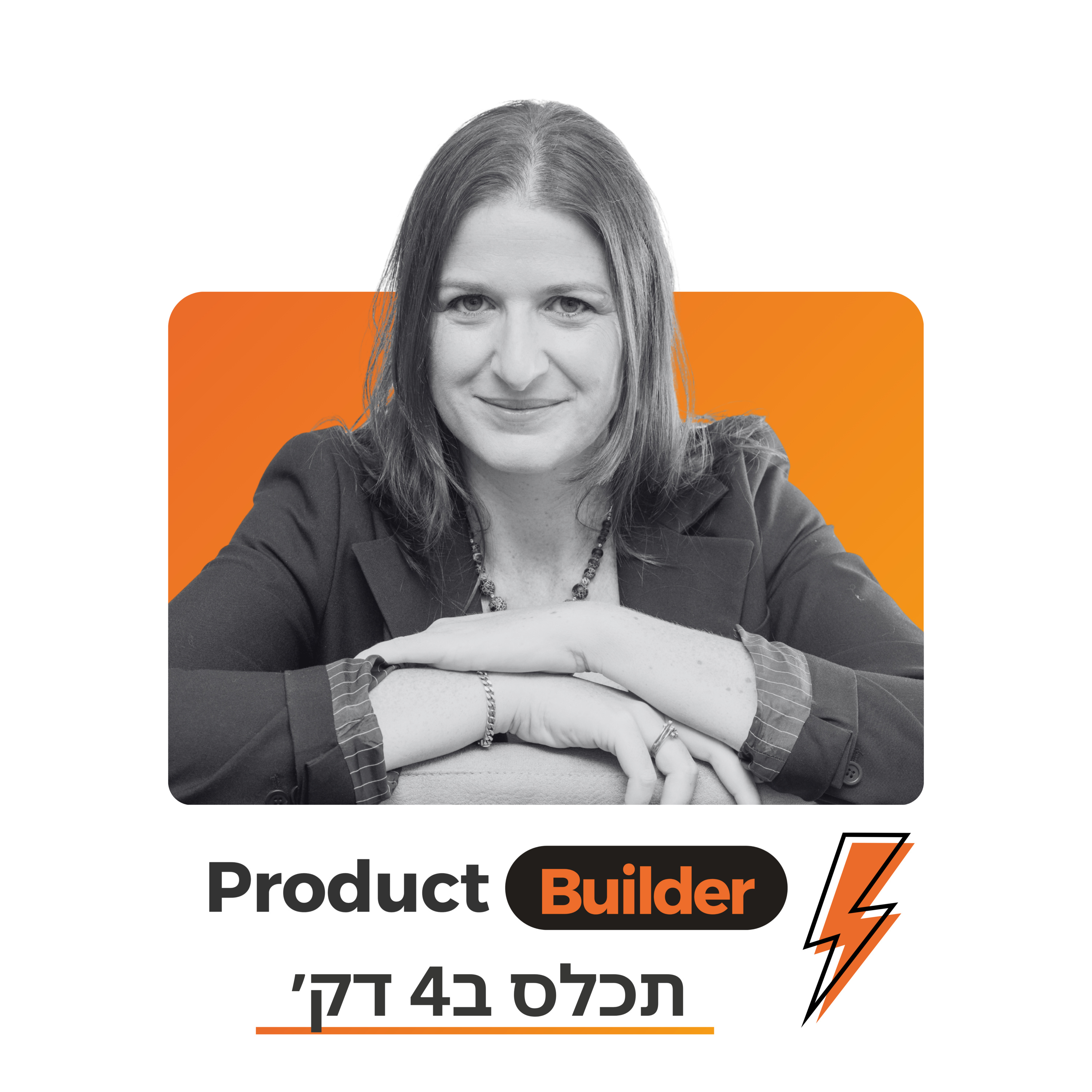
Why "I Didn't Hear Anything New" Is the Product Leader's Real Win
00:04:07 · December 21, 2025
Noa Ganot breaks down why product managers fail to move the executive team: it's not a shortage of slide decks, it's the lack of a story that explains...