
Building a Startup Inside a Startup
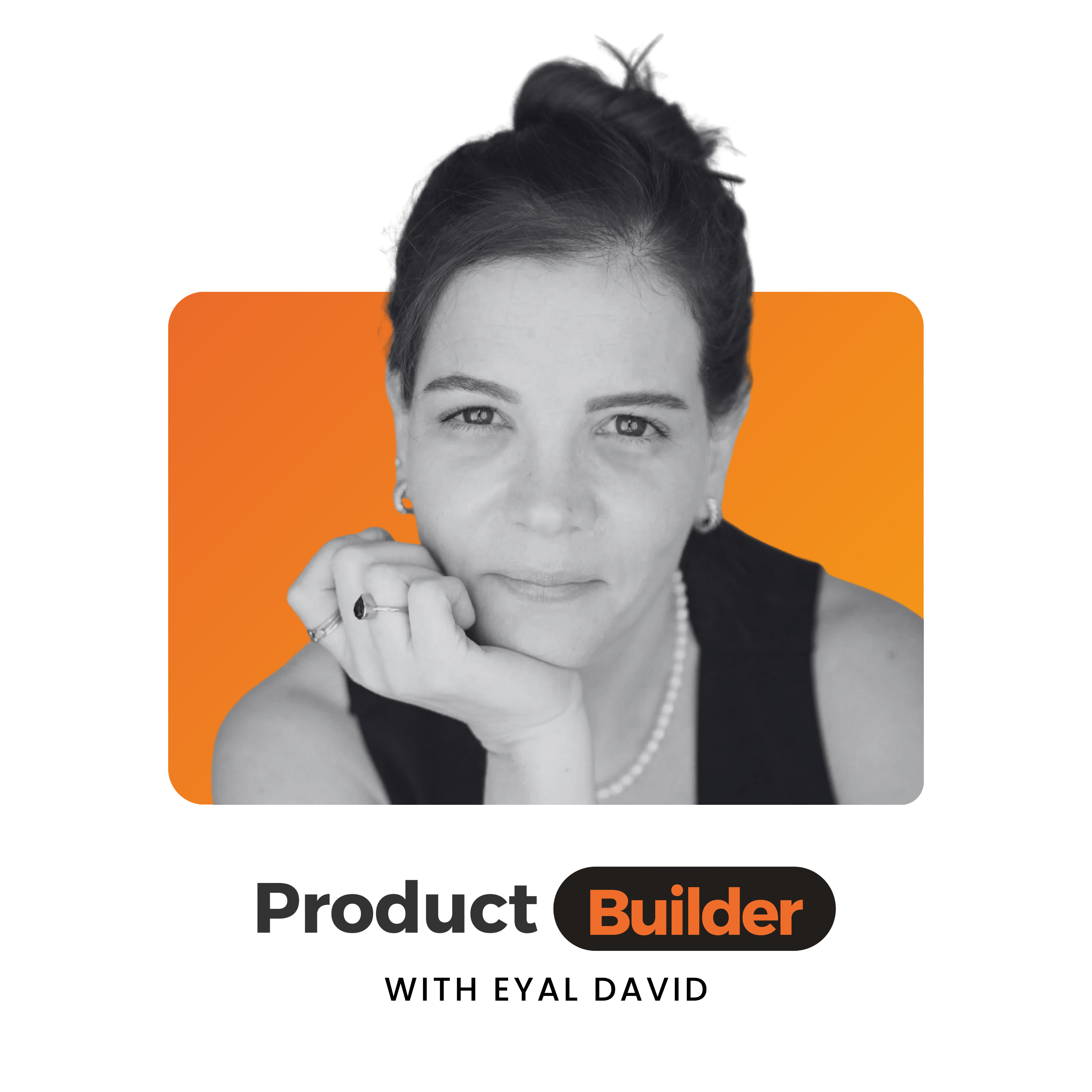
Host: Eyal David · Guest: Shelly Shimoni · About the host
In this episode
- A startup inside a startup begins with identifying a real vacuum (thousands of small customers with no efficient solution) and leaning on existing infrastructure — not from absolute zero like an independent entrepreneur.
- The role is 'selling all the time' — not in sales meetings, but in every hallway, elevator, and CEO conversation: always have a ready pitch that tells what you're building and why it matters.
- To rally management, you have to speak from their pain, not yours: show the CTO how it advances the product, show the COO how it streamlines operations — find the win-win.
- Product skills: creativity in fast problem-solving, adaptiveness, lateral vision alongside attention to detail, and the ability to spot 'bullshit' and demand precision.
- Entrepreneurship is a journey, not a sprint — you have to draw reassurance from within yourself and from believing in the vision, because one person believing in you is enough.
- An effective management style can be 'the power of softness' — approachable, at eye level, and assertive, without banging a fist on the table and without giving up.
Listen to this episode
Episode Description
Shelly Shimoni, VP of e-commerce and Direct Business at Verbit.ai, tells how you build a startup inside a startup. After a decade in growth and performance at McCann and a headquarters role at Strauss, she jumped into the tech world in 2021 — right as Verbit became a unicorn. The episode follows her journey from spotting a vacuum of thousands of small customers, to rallying management, building a POC, resetting it, and rebuilding a self-service product inside a company in constant growth.

Full transcript with speakers and timestamps
Selected quotes
“I'm a builder, I'm a pioneer — apparently what excites me is getting to things that need building, and building them, and then moving on.”
“Really knowing how to speak to each person from their own pain, and not from my pain.”
“Let's call it the power of softness — how to come from a soft place that has power in it; it's not a weak place.”
Questions & answers
What is Verbit.ai and what change is it going through?
A company built on AI-based transcription technology, undergoing a transformation from a basic transcription-services company into a SaaS company of 'Verbal Intelligence,' specializing in professional verticals — legal, Education, and media — with insight-based service. Its large customers include the Super Bowl and Netflix.
What is a 'startup inside a startup' in the context of her role?
Verbit focused its core business on huge customers, and a vacuum was created around the thousands of small customers (bread and butter) who had no efficient technological solution. Shelly identified the gap and proposed building a technological, accessible self-service product that would meet these customers without going through a salesperson or expensive onboarding.
How did she rally management to the project?
Through repeated one-on-one pitches to management, presentations, and a business plan and three-year growth model with a commitment to a number of customers. The hard part was prioritizing resources against the acute needs of huge customers — and that was solved through stubbornness, belief, and rallying the right people in the organization.
What happened after the first POC?
The POC taught a lot but was too preliminary. Together with management they made a deliberate stop and re-analyzed the competition, the offering, and the flow from zero — a brave decision since there was already a product — and built a new launch strategy. This is where Eyal and the team he brought came in, and the product is now in development stages toward launch.
What recommendations does she have for those who want to get into tech and product?
If you've decided this is what you want — you'll get there. It's a bit like a new immigrant who needs to learn to speak the language and make the other side understand that you speak it. You need a passion for technology and for a product in constant motion, and the determination to package yourself so people understand the value you bring.
Related Episodes

No More Moats: How Harmony Reached 50 Customers Without a Single Salesperson | Ran Ribenzaft (Harmony)
01:00:56 · September 24, 2026
Ran Ribenzaft, Co-Founder and CTO of Harmony (and formerly founder and CTO of Epsagon, sold to Cisco for $500M), is an unusual CTO: 90% of his time go...

Peter Paltchik: Wants to Be Israel's Most Influential Athlete
00:54:27 · September 6, 2026
Peter Paltchik — two-time Olympic judo medalist, entrepreneur, speaker and investor — on what really sustains people who build over the long haul: the...
Tony Arad Felik | Not Just Surviving AI — How to Thrive in It
01:06:04 · July 28, 2026
Tony Arad Felik, a mentor to managers in high-tech and a former R&D Director, on management in an era when roles, hierarchies and expectations are shi...

Aviad Harel | Team8 | How to Build a Thesis About the Future Worth Millions
00:54:32 · June 22, 2026
Aviad Harel, Managing Partner at Team8 and previously a co-founder of Sisense, on how to build startup theses at the earliest stages — before product,...