
Jonathan Gur-Zeev | Weavy.ai | How to Build a “Design Machine” for Organizations in the AI Era
Host: Eyal David · Guest: Jonathan Gur-Zeev · About the host
Jonathan Gur-Zeev, co-founder and CPO of Weavy.ai and a former product group lead at Fiverr, explains why AI has barely entered professional image and video production: results are inconsistent, there's no control, and the tools are scattered. Weavy's answer is a "design machine": instead of designing every frame, the designer builds a machine that combines AI models with editing tools and produces endless outputs according to his own design decisions.
In this episode
- AI won't enter professional production on speed alone. Weavy's goal isn't working twice as fast but building a "design machine" that produces a thousand times more output without giving up control and professional integrity.
- What separates a professional from a hobbyist is that there's a client at the end. So professionals need consistency, control and editability, not just a result that looks good.
- At the zero-to-one stage it's better to build something real, even if shaky, and let selected users work on it than to show mockups. Watching usage recordings teaches more than what users say.
- Don't rush to launch a product for designers. When you move a professional audience's cheese, a bad first impression is hard to fix, so launch only when you're not embarrassed by the product.
- The way into organizations is bottom-up: designers who love the tool, managers who save on licenses for many tools, and a view for the machines' users on marketing teams.
- A good product manager is measured by agency and getting things done, not by knowing methodologies. Knowing you don't know everything and wanting to learn matters more than Jira and Scrum.
Listen to this episode
Episode Description
Jonathan Gur-Zeev, one of the four founders of Weavy.ai, describes how the realization that design and video professionals use AI only for inspiration and moodboards led to a platform that combines any AI model with traditional editing tools. He explains the "design machine" idea, the challenge of AI FOMO and AI literacy, and the decision to build a flexible platform rather than solve a single use case. He then describes how the team skipped mockups and worked directly with real users, how a LinkedIn post brought NVIDIA to them, why first impressions matter most, and why in his view intuition beats methodology and agency is the most important trait of a product manager.

Chapters
- 0:28 · What Weavy is and why AI isn't in production yet
- 5:44 · From Fiverr to Porto: how the founding team came together
- 7:48 · The problem: designers use Midjourney only for inspiration
- 9:45 · Consolidating tools, and a "design machine" instead of manual design
- 15:01 · AI FOMO, a "Zapier of AI" and AI literacy
- 18:22 · One use case, or a platform for every use case
- 21:36 · Skipping mockups: design partners and real users
- 25:27 · The LinkedIn post that brought in NVIDIA
- 36:11 · Intuition vs. methodology
- 42:56 · First impressions and entering organizations bottom-up
- 47:09 · The product skills that matter: agency and getting it done
Full transcript with speakers and timestamps
Selected quotes
“Instead of designing or instead of editing, build a machine that designs and edits for you.”
“If you have good intuition, you don't need a methodology.”
“It'll launch when I don't feel embarrassed to launch it.”
Questions & answers
What is Weavy.ai?
Weavy is an image and video creation platform for professionals in marketing, gaming and branding. It combines existing and future AI models with traditional editing tools, letting you build a "design machine" that produces many outputs according to the designer's own design decisions.
Why hasn't AI entered the production work of designers and video editors yet?
According to Jonathan Gur-Zeev, AI results are non-deterministic and there isn't enough control to get consistent outputs a client will approve. In addition, the tools are scattered across dozens of products with different interfaces and terms, so most professionals use AI only for inspiration and moodboards.
What is a "design machine"?
Instead of designing a single frame or shot, the designer builds a process that combines AI models and editing tools and defines composition, color, details and depth of field. The machine runs again and again and produces unique outputs that always stay true to the guidelines the designer chose.
How did Weavy do discovery without mockups?
The team built a real early version and brought in people they knew one by one, with personal onboarding, interviews in front of the product and watching usage recordings. Today they work with design partners and freelancers to validate assumptions faster.
How did Weavy reach NVIDIA?
Even though they asked users not to post, one user shared a screenshot on LinkedIn. Following the post, an NVIDIA studio in the US with about 200 people joined the waitlist, and Weavy ran demos for groups of five to ten people at a time.
People & resources mentioned
People
- Jonathan Gur-Zeev, co-founder and CPO at Weavy.ai
- Lior Albek, CEO of Weavy
- Yonatan Alomut, CTO of Weavy
- Itai, co-founder and marketing content lead at Weavy
Tools
- Midjourney
- DALL-E
- Runway
- Photoshop / Firefly
- Zapier
- Canva
- Shutterstock
- Google Photos
- Jira
- Dreamweaver
Related Episodes
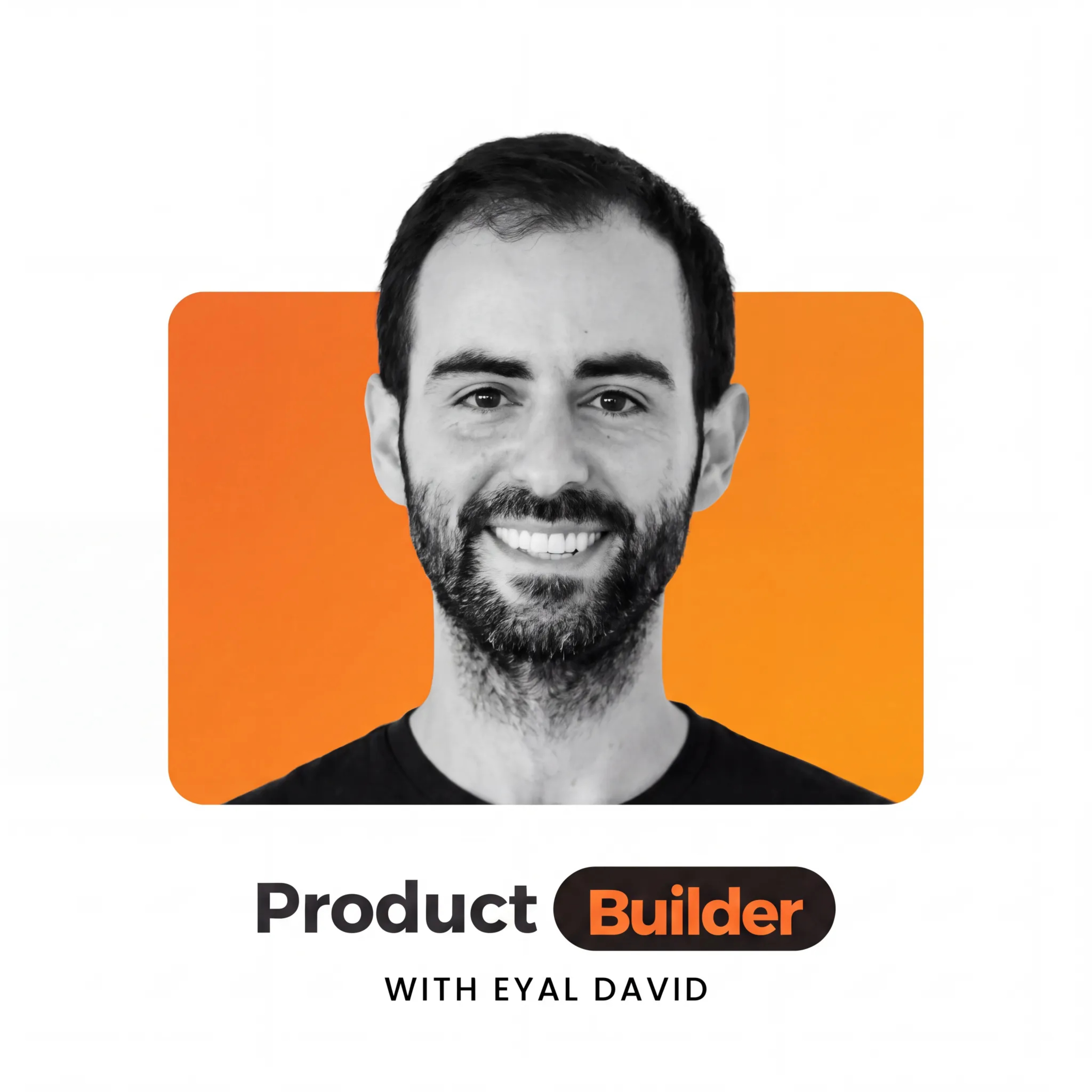
No More Moats: How Harmony Reached 50 Customers Without a Single Salesperson | Ran Ribenzaft (Harmony)
01:00:56 · September 24, 2026
Ran Ribenzaft, Co-Founder and CTO of Harmony (and formerly founder and CTO of Epsagon, sold to Cisco for $500M), is an unusual CTO: 90% of his time go...

"I was afraid AI would take my job. It sharpened it instead" | Shira Moyal (imagen)
00:43:40 · May 10, 2026
Shira Moyal leads a product team at imagen, a startup that built a personal AI model which learns a professional photographer's editing style and edit...

Netanel Mor | Papaya | We took the Bingo out of Bingo, and then it exploded
00:34:53 · April 27, 2026
Netanel Mor is Product Lead at Papaya, the skill-based games company behind Solitaire Cash, Bingo Cash and Bubble Cash, and was previously a product m...
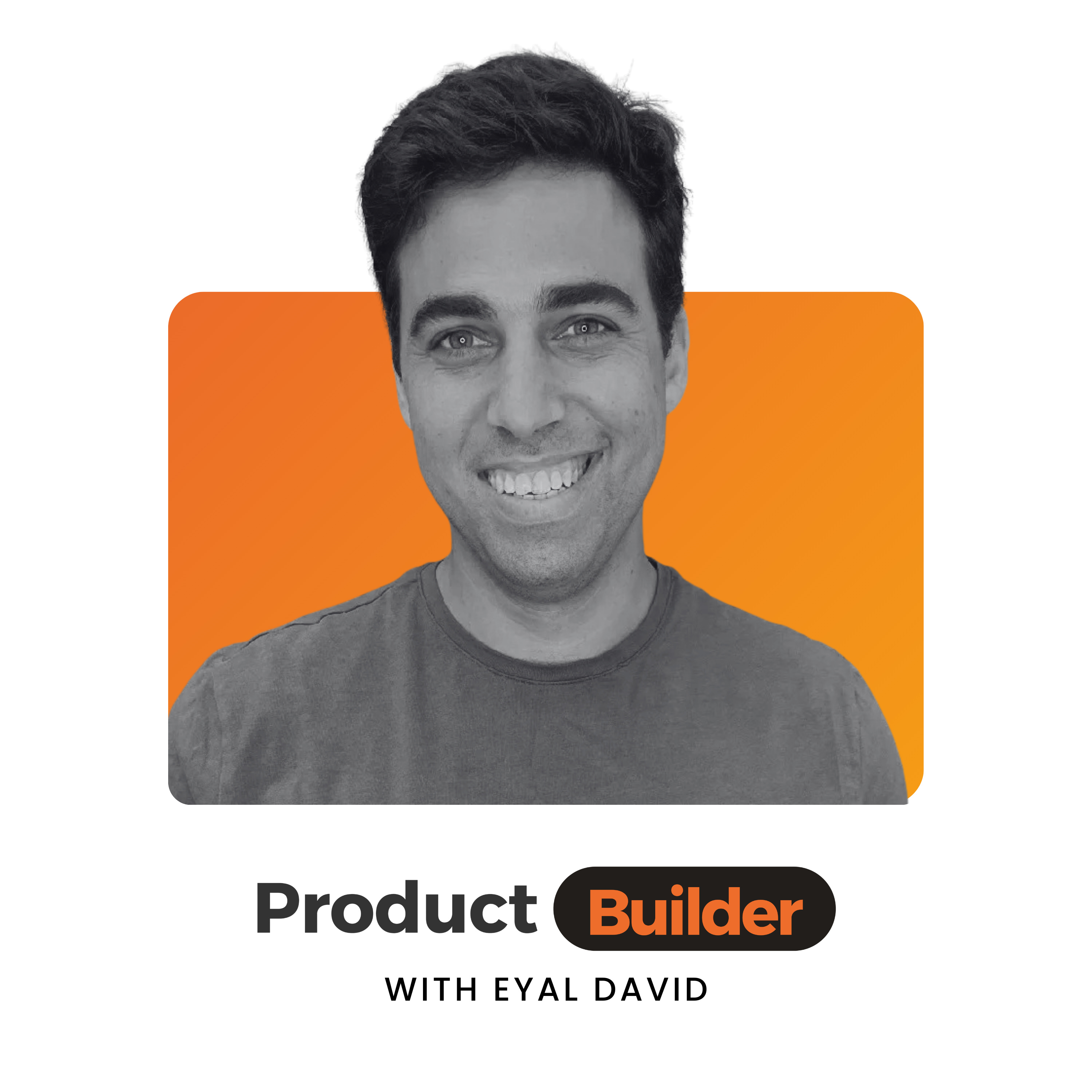
Amit Slutzky | Trullion | “I Left Figma and Went Into the Field — It Changed Everything”
00:41:22 · February 24, 2026
Amit Slutzky, Director of Product at Trullion, on one of the most important muscles for product people: understanding what's really going on with the...