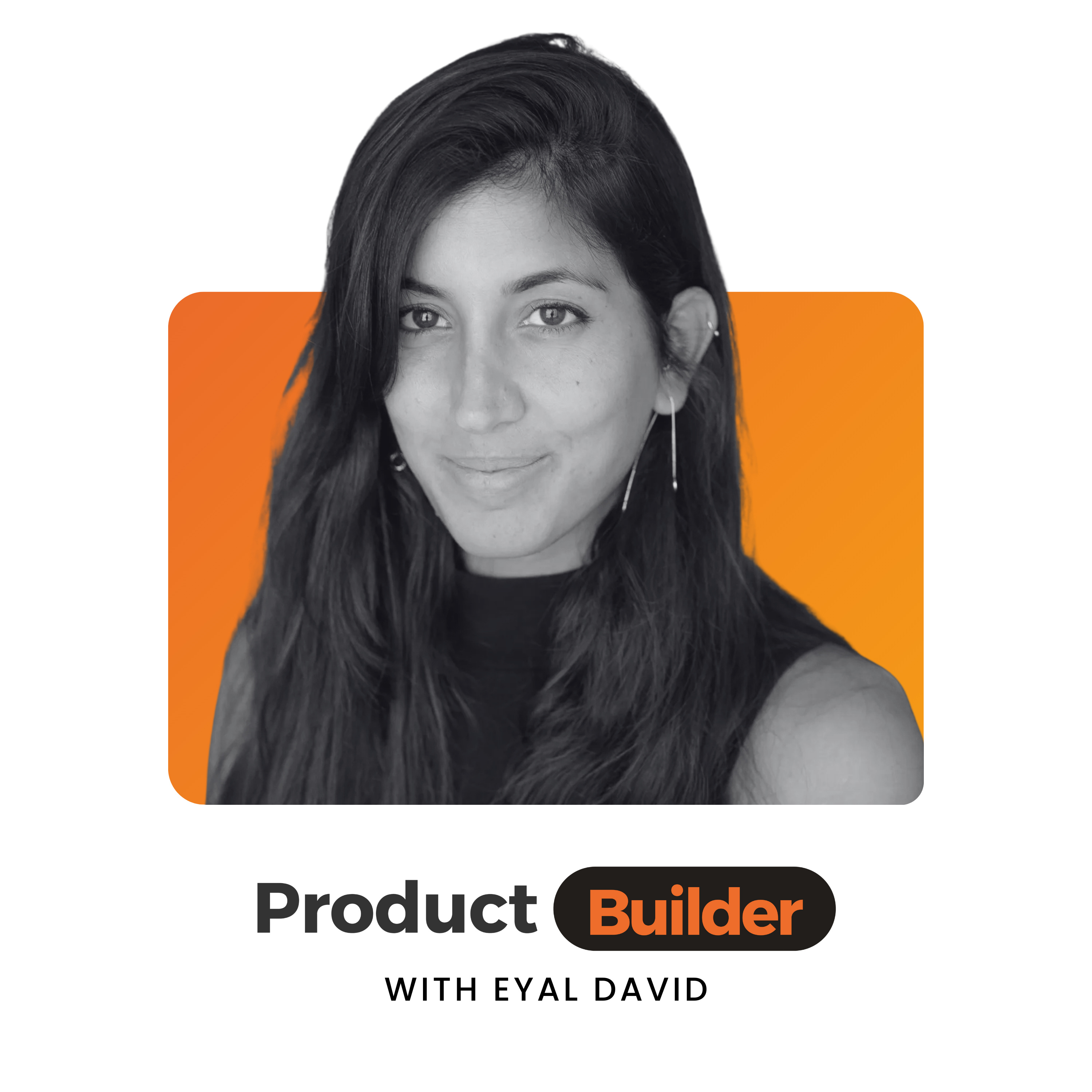
Planning a Year in a World That Won't Sit Still: Q4, Storytelling, and Resilience with Tehila Adika
Host: Eyal David · Guest: Tehila Adika · About the host
Annual planning means defining a 'north star,' not a rigid plan, according to Tehila Adika, a Senior Product Manager at Elementor leading a business unit for web creators. Q4 is the hardest seam — closing this year's targets while setting next year's focus — and success takes storytelling that wins stakeholders early, plus shifting fast.
In this episode
- The fourth quarter is the most complex period of the year for product managers: it sits at the seam between finishing the current year by meeting targets and planning a completely new focus for the coming year — and sometimes the goals you planned no longer serve you.
- Annual planning is defining a 'north star,' not a rigid plan: you need focus but you must not fall in love with the solution or the plan, and you have to know how to make a fast shift and be resilient to changes.
- Storytelling is a core skill for a product manager: rally every stakeholder individually in advance, reduce friction before the meeting, and bring the people in the room into the story itself so they aren't surprised and don't lose the thread.
- Planning works in two rounds: the first round is a vision story that challenges the strategy, and the second round is a data-driven drill-down that's already close to the roadmap and success metrics.
- In an era where you ship a product almost every week or month, there's no formal place in the 'roadmap' for black swans — instead you build teams that know how to shift fast and make decisions on the spot.
- Replanning comes with a feeling of guilt ('the syndrome') — features already handed down to the team suddenly feel worthless; it's important to recognize this is okay, and to shift existing plans to align them with the new strategy.
Listen to this episode
Episode Description
Tehila Adika, a Senior Product Manager at Elementor leading a business unit of products for web creators, joins Product Builder to talk about the challenge of annual planning in a changing world. The episode dives into the dual fourth quarter — the seam between finishing 2025 strong and defining a new focus for 2026 — and breaks down the planning process, the place of storytelling in persuading stakeholders, and the tension between planning and resilience to market shifts like vibe coding and AI.

Full transcript with speakers and timestamps
Selected quotes
“I always say don't fall in love with the solution, don't fall in love with the plan, don't fall in love with anything”
“In the end what matters is really producing value, and we believe that what we want to develop still produces value for our users”
“Planning a year is something that falls under: you need to define a north star”
Questions & answers
What does Elementor do and what is Tehila's role?
Elementor is a platform for building websites on top of WordPress (which is about 45% of the internet; Elementor about 13%). Beyond the builder/editor, it's a platform that creates the entire experience for website builders. Tehila leads a business unit focused on the Grow/Run stage — accompanying products for maintaining the site after it's built, such as performance, stability, and accessibility.
What does the annual planning process actually look like?
It starts with looking back and learning lessons, and then management (GMs and C-levels) defines the strategy top-down. After a kick-off, the teams go out to research to understand how the unit serves the strategy. It runs in two rounds: the first round is a story/vision, and the second round presents a more realistic picture with data and a roadmap.
How much room is left in the planning for surprises and black swans?
There's no formal place in the roadmap for a black swan. Instead, you deliberately build agile teams that know how to work and shift fast, be resilient, and make decisions on the spot. The principle: don't fall in love with the solution or the plan, and pay attention to changes as they happen.
How does Elementor relate to the rise of AI and vibe coding and the decline in WordPress volume?
They necessarily take it into account and are working on the new worlds, but they estimate that the volume in WordPress and Elementor is still very high. Website builders are exposed to the tools but still want control — vibe coding covers maybe 80%, but the remaining 20% of the pixel, going to production, and the desire to edit and hold the site remains.
How do you improve at storytelling?
Tehila says it wasn't natural for her — she's a practical person used to presenting data. The improvement came from launching new products and segments where the story is critical, from internal storytelling workshops at Elementor with a coaching team, from mutual review of presentations, and from learning from strong people in the organization like Gal Bendek.
Related Episodes

Why I Talk Less About Product Now | Coffee with Eyal
00:06:55 · October 7, 2026
"Coffee with Eyal" is a short, informal series in which Eyal David opens the mic over a cup of coffee and shares insights, things he is building and w...
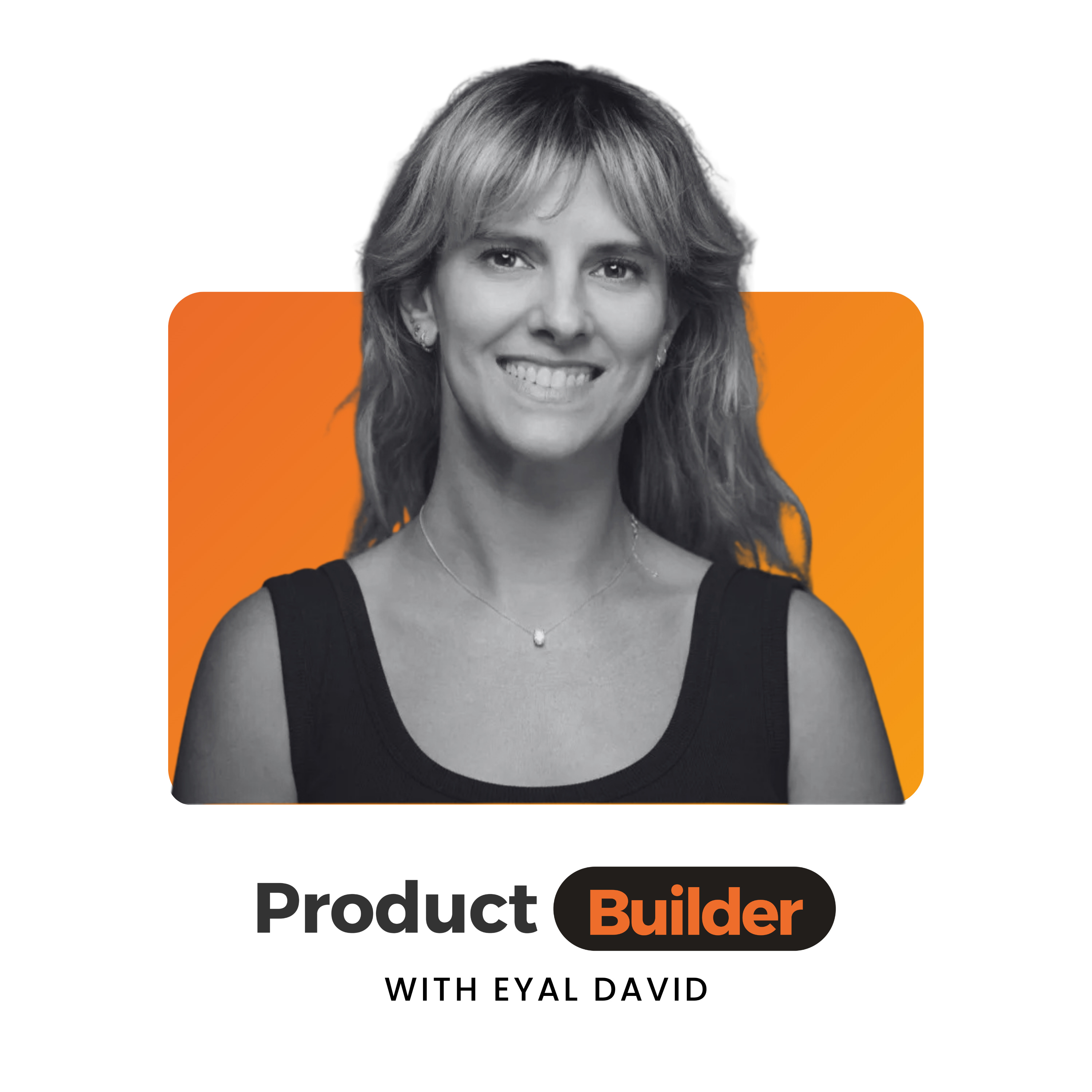
Why You? How to Build a Story, Momentum and an Edge | Adi Levanon (Selah Ventures)
00:59:42 · August 10, 2026
Adi Levanon is the founder and sole general partner of Selah Ventures, a fund she launched in 2023 that writes first checks into fintech companies bui...
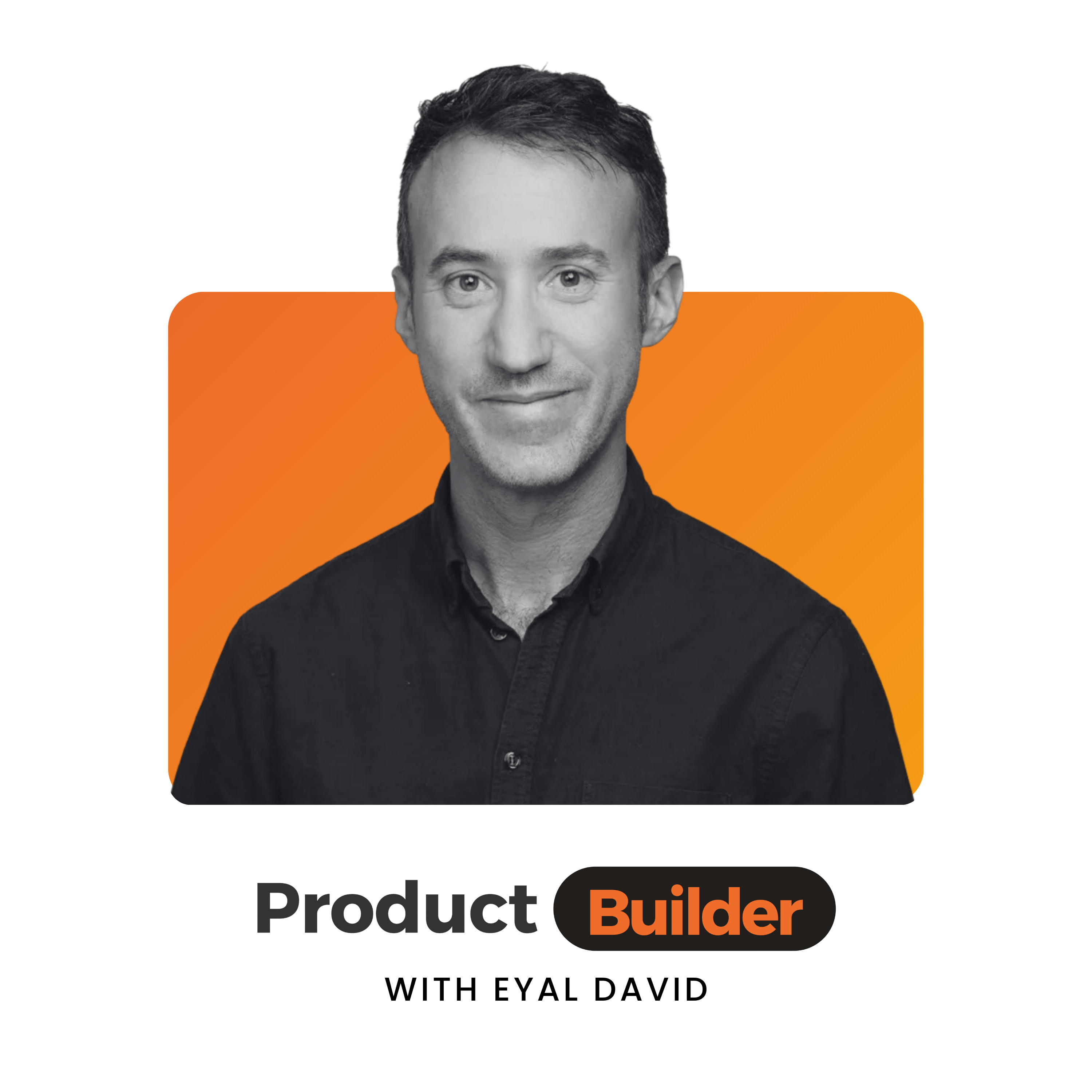
How to Build AI at the Edge of the Device — Ori Katz, Hailo
00:40:49 · March 5, 2026
Ori Katz, who leads the AI SoC domain at Hailo, tells the story of how an Israeli chip company became a serious player in AI at the edge — smart camer...
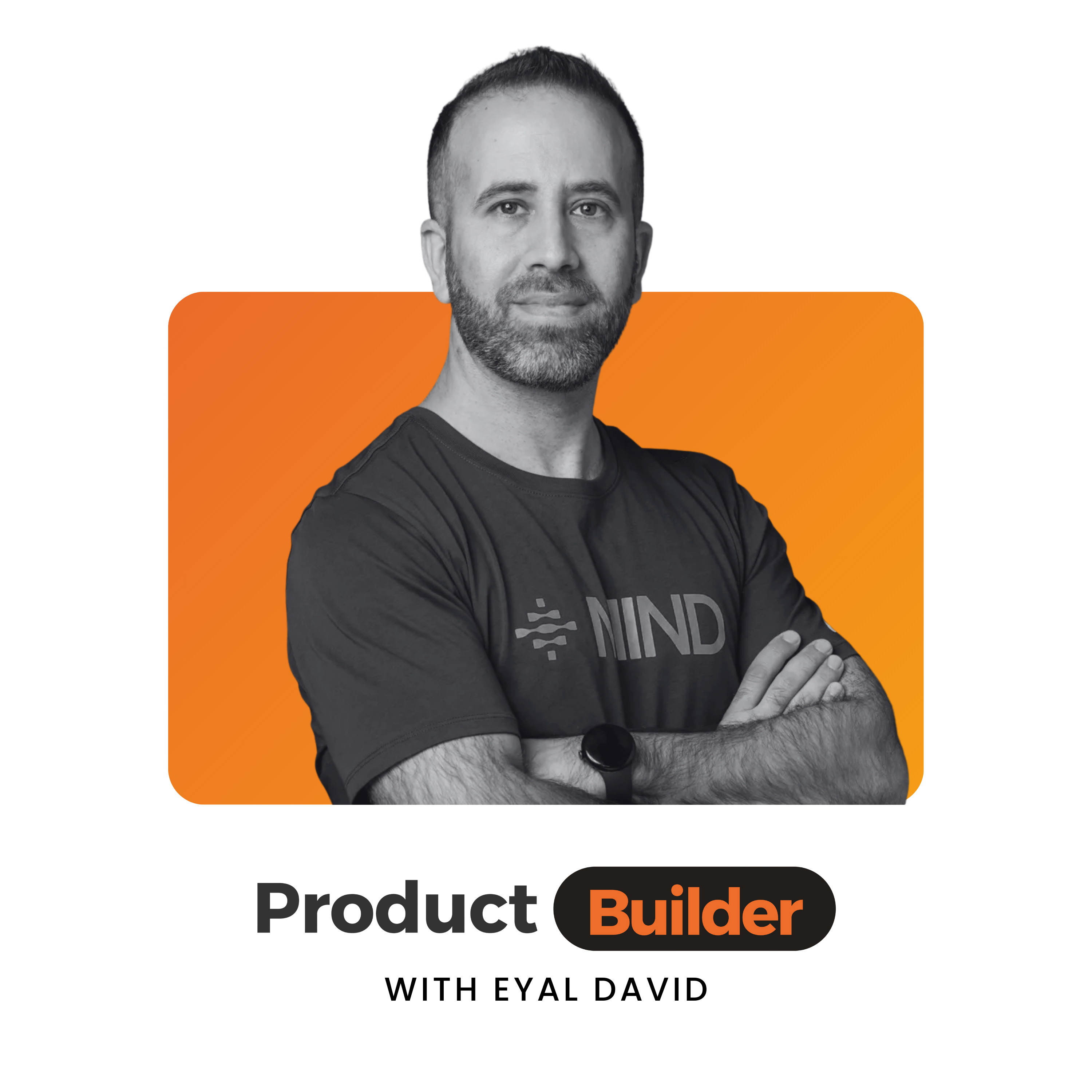
Tom Mayblum | MIND | When Is a Customer Conversation Worth More Than Data?
00:33:39 · February 9, 2026
Tom Mayblum, VP Product at MIND, shares how he built a product organization from scratch at a cyber startup coming out of stealth, and why the challen...