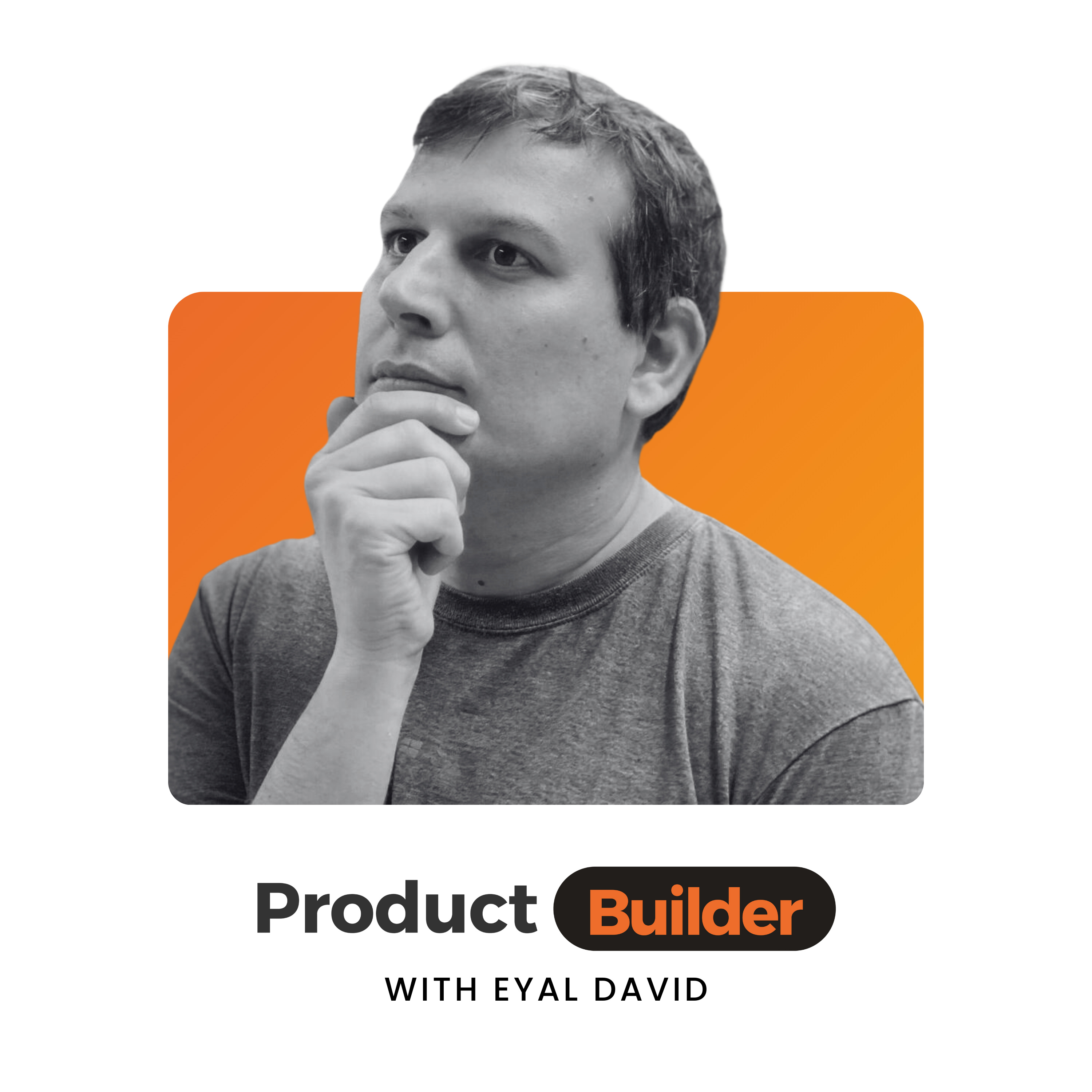
Navot Volk | GroundUp VC | What’s Really Worth Building in 2026? Inside an Investor’s Mind
Host: Eyal David · Guest: Navot Volk
In this episode
- "Why Now" matters more than the idea: almost every idea has been thought of — the question is why it can work right now (technology, market, user behavior, cost of building).
- In a world where building is easy, the value of merely 'building' drops; what rises in value is understanding the market and user and articulating clear, fast value.
- A good product beats almost everything — classic marketing and cold outreach are eroding, and happy users are the best distribution (PMF).
- The web is increasingly written for agents rather than humans — sites will be more informative and less 'pretty', and much of familiar SaaS and UI will lose relevance.
- AI is a superpower for those who understand what they're doing, but it's hard for juniors — the way in is practical projects, open source, and real product sense.
Listen to this episode
Episode Description
Navot Volk, a partner at the GroundUp venture fund, on pre-seed and seed investing in an era when nearly every startup pitches itself as AI. The conversation moves between the classic investor question — Why now — and gaming, SaaS, product, distribution, the future of UI, and the real limits of ChatGPT and coding tools like Cursor and Claude Code. At its core is the claim that a good product must deliver clear, fast value, and that even in a world of agents and vibe coding, users still need to understand what they're doing.
Chapters
- 00:19 · Intro and getting to know Navot
- 01:25 · Moving to Ground Up Ventures and pre-seed/seed investing
- 04:11 · What Navot sees in the market: AI, digital transformation and Why Now
- 06:32 · Evaluating areas without locking into a thesis
- 07:45 · Why gaming is an interesting market — not necessarily a game studio
- 10:20 · Books, content and the attention economy
- 15:26 · What Navot looks for in founders
- 17:08 · What founders should do before raising money
- 18:04 · Value, product experience and ChatGPT as an example
- 20:01 · Distribution, design partners and why classic marketing erodes
- 21:34 · When the web is written for agents
- 24:01 · How SaaS and UI could change in 2026
- 25:27 · The VC world after the 2021 years
- 28:22 · The tools Navot works with
- 29:06 · What AI still can't do
- 31:10 · AI, coding and what it means for juniors
- 33:19 · Product Sense and product people
- 36:38 · Will everything really be conversational?
- 38:42 · Where it's worth building now
- 40:20 · Wrap-up
Full transcript with speakers and timestamps
Selected quotes
“There are no bad ideas — the timing is wrong.”
“The most important thing in a startup is betting on the right wave.”
“If it doesn't give them value — they won't use it.”
Questions & answers
What is "Why Now" and why does it matter more than a good idea?
Navot argues the chance you thought of an idea no one else has is low — almost every idea already exists. What sets a real opportunity apart is timing: why this idea can work right now, thanks to a shift in technology, market, user behavior or the cost of building. As he puts it, "there are no bad ideas, the timing is wrong."
What does Navot Volk look for in founders at pre-seed?
Mostly teams (not solo founders) who live a real problem and understand why others failed at it. He expects them to do what's possible without money — research, user conversations, design partners — and to articulate clear, fast value to the user, not just a roadmap.
How does AI change the web, SaaS and the buying experience?
When browsing starts in ChatGPT/Gemini/Claude, sites will be written more for agents — informative and less designed, since the agent cares about the data, not the logo. Much familiar SaaS (Salesforce-style) will lose relevance to personalized interfaces that give a direct answer instead of a full dashboard. The buying experience also shifts when a user arrives after a long conversation with an agent.
What can AI still not do well, according to Navot?
Navot notes ChatGPT is excellent at writing and language but falls short on non-language tasks — counting, calculation or structural understanding — and sometimes invents capabilities it doesn't have. So real products still need to close those gaps, especially around clear value.
Where is it worth building now, and what's the difference between a cash cow and a VC company?
Navot recommends starting close to money — e.g. plugins and apps for Shopify — because it's easier to show business value. But he distinguishes a small money-making business (cash cow) from a VC-fit company: one that disrupts something big and has the potential to be worth a billion dollars.
People & resources mentioned
People
Companies & orgs
- GroundUp (Ground Up Ventures)
- Microsoft
- Wix
- Netflix
- Roblox
- Amazon
- Shopify
- Salesforce
- Figma
Tools
- ChatGPT
- Gemini
- Claude
- Claude Code
- Cursor
- Perplexity
- Kindle
- Nintendo Switch
Related Episodes
Peter Paltchik: Wants to Be Israel's Most Influential Athlete
00:54:27 · September 6, 2026
Peter Paltchik — two-time Olympic judo medalist, entrepreneur, speaker and investor — on what really sustains people who build over the long haul: the...
Tony Arad Felik | Not Just Surviving AI — How to Thrive in It
01:06:04 · July 28, 2026
Tony Arad Felik, a mentor to managers in high-tech and a former R&D Director, on management in an era when roles, hierarchies and expectations are shi...
Aviad Harel | Team8 | How to Build a Thesis About the Future Worth Millions
00:54:32 · June 22, 2026
Aviad Harel, Managing Partner at Team8 and previously a co-founder of Sisense, on how to build startup theses at the earliest stages — before product,...

אורי כץ | Hailo | איך מנהלים מוצר חומרה מבוסס AI?
00:40:49 · March 5, 2026
אורי כץ הוא איש חומרה ותיק ומנהל מוצר ב-Hailo — חברה ישראלית שמפתחת צ'יפים של AI ל-Edge Computing. אורי הגיע ל-Hailo לפני שמונה שנים כשהחברה מנתה 15 א...