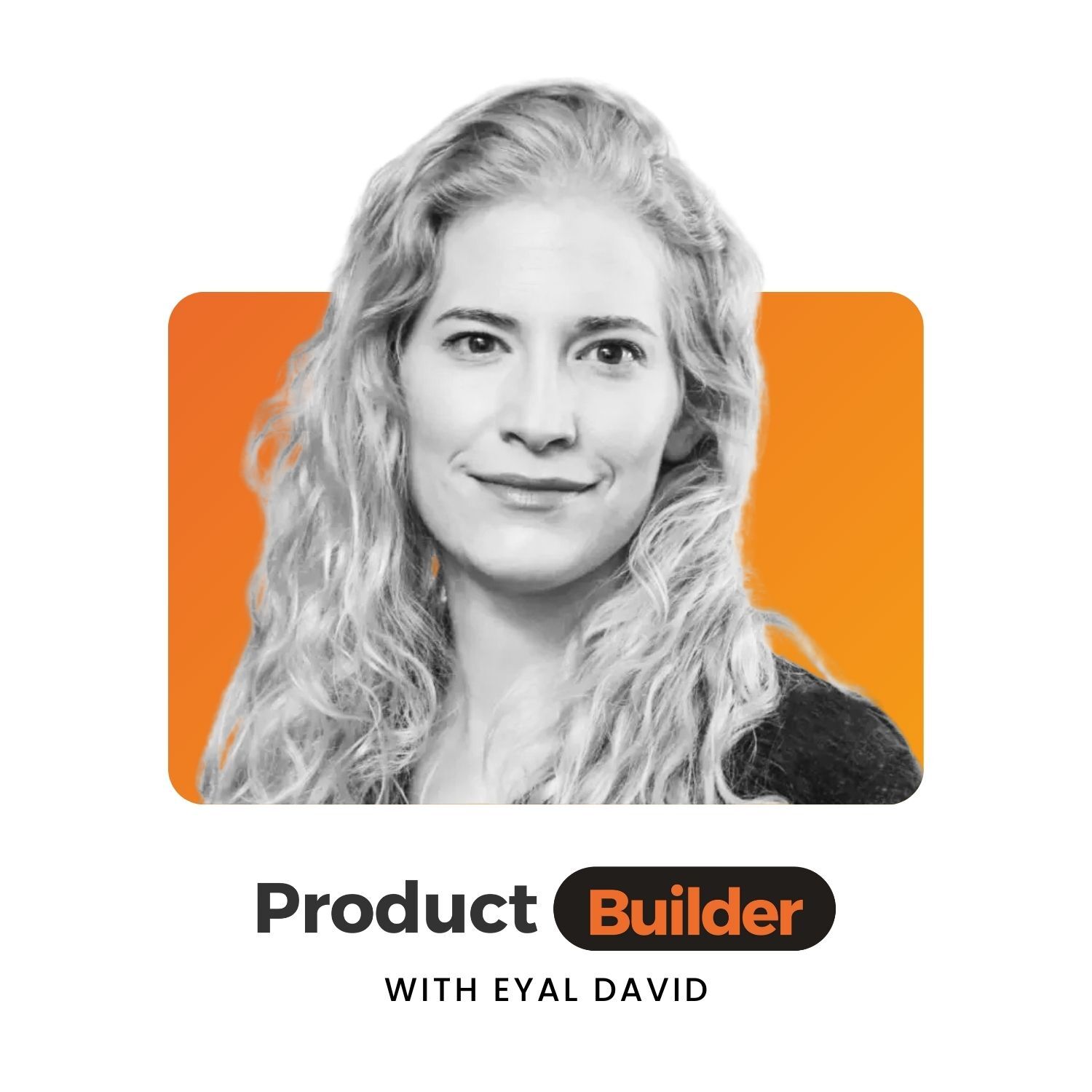
Think Like a Freelancer: Avigail Levin on Building a Brand and Owning Your Career
Host: Eyal David · Guest: Abigail Levin · About the host
In this episode
- "If you don't ask, you don't get" — Avigail's basic approach: don't be afraid to get a 'no,' because at worst something good comes of it. That's exactly how she got into the aleph fund, after writing an email the partner had 'forgotten' to reply to.
- Building a brand is long-term and not transactional: instead of waiting for entrepreneurs to come up to you, you go out to them, understand what hurts them and what they need, and create value over time.
- Before building a brand you do a 360 study: understand the current state (what people think of you, what your relative advantages are), define the desired state, and build a focused annual plan around the gaps.
- Don't build a community from scratch if it's too expensive — connect to communities where the relevant audience already is, and give them value (speakers, sponsorship, events).
- A salaried employee needs to think like a freelancer: you are the product. Take ownership, invest money in yourself (courses, training), and step out of your small network into new ones.
- Measure both activity and results: first set action-based goals (a post a week, volunteering once a month), then outcome metrics (followers, inbound leads) — while leaving room for serendipity.
Listen to this episode
Episode Description
Avigail Levin moved from a career as a commercial lawyer into the tech world, building the brand for the aleph venture capital fund and later for Samsung NEXT. In the conversation she breaks down how you build a brand — for a fund, for a company, and for an individual — through creating value, long-term relationships, and focusing on the relevant audience instead of transactional moves. The central thread: why salaried employees must think like freelancers and take ownership of their own careers.

Full transcript with speakers and timestamps
Selected quotes
“If you don't ask, you don't get. So if there's one thing people take from here — if you don't ask, you don't get, so what do you have? That's very much my approach in life.”
“You need to be a salaried employee who thinks like a freelancer, who steps out of your small network and goes to other networks, invests money in yourself in another course and another training. You are the product, and you need to do it.”
“A venture capital fund — all it has at the start is its brand, because it doesn't yet have investments where it can say 'look, we invested in good entrepreneurs.'”
Questions & answers
How did Avigail move from law to the venture capital world?
After four years as a commercial lawyer she was job-hunting for a long time. Friends sent her a link to apply to the aleph fund, which had just opened. After a bad interview with Eden Shochat in which she 'made every possible mistake,' the partner didn't get back to her — but she wrote him a proactive email, and it turned out he had been abroad. That's how she got into the fund.
What's the difference between building a brand for a venture capital fund and a brand for a corporate like Samsung?
At aleph she was competing against ten other funds for the same spot and had to differentiate. At Samsung NEXT there was no direct competitor, but the challenge was the opposite: to manage expectations, and to turn the 'disadvantage' of being a big, cumbersome corporate into a relative advantage through transparency and expectation-setting with entrepreneurs.
Why do salaried employees struggle to build a personal brand?
Salaried employees don't have the 'muscle' for selling and investing in themselves — they're used to being taken care of, being paid for conferences, trainings and food. They're not owners of themselves. Avigail recommends changing the mindset and thinking like a freelancer: you are the product, and you need to invest in yourself.
How do you measure the success of a personal brand?
You separate measuring activity (how many posts a week, volunteering once a month) from measuring results (new followers, inbound leads). You start by measuring activity and set goals like 'grow followers by 20% this year,' but leave room for serendipity — good things that happen without being directly measurable.
What's the most meaningful thing Avigail wants people to take from the episode?
Two things: for salaried employees — ownership over your career, be active and don't wait for things to happen. For freelancers and recruiting managers — a lot of compassion; respect people even when you say 'no,' give a clear and reasoned 'no' and leave the door open, because everything can flip.
Related Episodes
Tony Arad Felik | Not Just Surviving AI — How to Thrive in It
01:06:04 · July 28, 2026
Tony Arad Felik, a mentor to managers in high-tech and a former R&D Director, on management in an era when roles, hierarchies and expectations are shi...

Breaking Into Product: Internal Mobility vs. Switching Companies
00:02:59 · October 9, 2025
Moti Peretz talks about the X factor needed to break into a product manager role. He describes two paths — internal mobility within the company versus...
Breaking Into Product: The X-Factor That Gets You Hired — Moti Peretz, VP Product at Orca Security
00:52:01 · August 18, 2025
Moti Peretz, VP Product at Orca Security, hosts the episode around one question: how do you break into a first product role, even without prior experi...
Building a Company, Not Just a Product: Early-Stage Product Management at Cinch
00:41:28 · August 11, 2025
Shuki Aharonovich returns for a second episode, this time as the first product manager at Cinch — an early-stage startup in the world of logistics and...